Makeup education
Your First Makeup Artist Course: What Beginners Should Learn
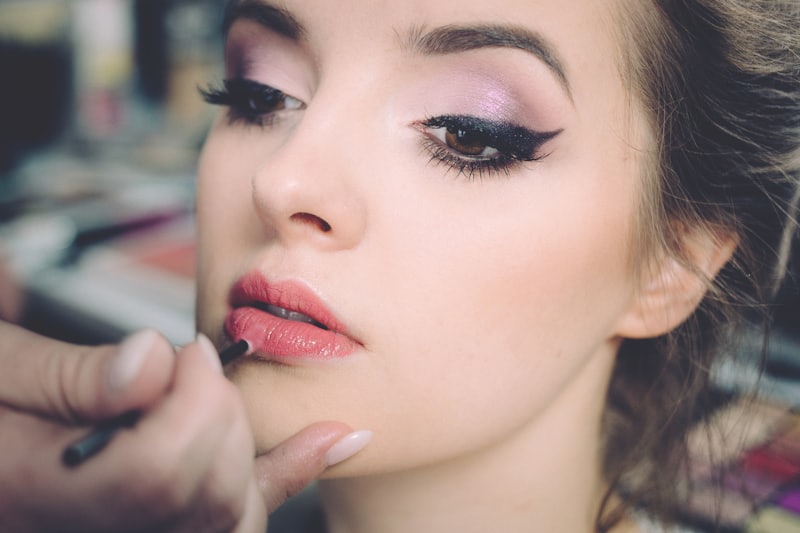
Enjoying makeup is a useful starting point, but working with clients involves more than recreating a look from a photograph. A first makeup course should help you understand preparation, product choices, hygiene, communication and repeatable technique. Those foundations make creative work more reliable.
Look for foundations before advanced looks
A beginner curriculum should explain tools, textures, colour and the order in which products are used. Shade matching and working with different skin appearances matter more than memorising one finished look. Ask how the course teaches you to adapt when a product behaves differently than expected.
Preparation should include client consultation and basic safety awareness. A makeup artist should recognise when a service needs to be postponed or a client needs advice from a qualified healthcare professional, rather than trying to diagnose or treat a skin condition.
Treat hygiene and kit planning as core skills
Ask whether hygiene is demonstrated and assessed throughout practice, not mentioned only on the first day. Training should cover appropriate hand and tool hygiene, avoiding cross-contamination, product handling and following manufacturer instructions. Shared products and applicators require particular care.
Before buying a large kit, request the academy's required materials list and what the fee already includes. Start with tools and products that support the syllabus. Expensive packaging and a large collection do not replace an understanding of how to use products safely.
- Get a written list of required and included items.
- Ask how products are stored, labelled and replaced.
- Practise a consistent setup and cleanup routine.
- Follow product directions and relevant safety guidance.
Find out how practice is supervised
Watching a demonstration and performing a service are different experiences. Ask how frequently you practise, whether tutors watch your technique and how they explain corrections. Repeating a skill after feedback is often more valuable than rushing through many looks.
A useful assessment considers preparation, application, blending, suitability and the finish as a whole. Ask how students work towards completing a service within a realistic appointment time without sacrificing care.
Match the course to your starting point
Tell admissions honestly about your experience. A focused introductory course may suit someone exploring the field, while a broader programme may be appropriate for someone ready to commit more time. Confirm prerequisites before selecting an advanced or bridal specialism.
Ravoura's course catalogue includes makeup programmes with their listed duration, fees and modules. Read the individual syllabus and ask which current batch suits a complete beginner. Make your decision using the curriculum and support offered, not a promise of instant professional status.
The takeaway
Choose a first course that builds safe habits, adaptable technique and supervised practice before chasing advanced looks or an oversized kit.