Career choices
Hair or Nail Training: Which Beauty Course Fits You?
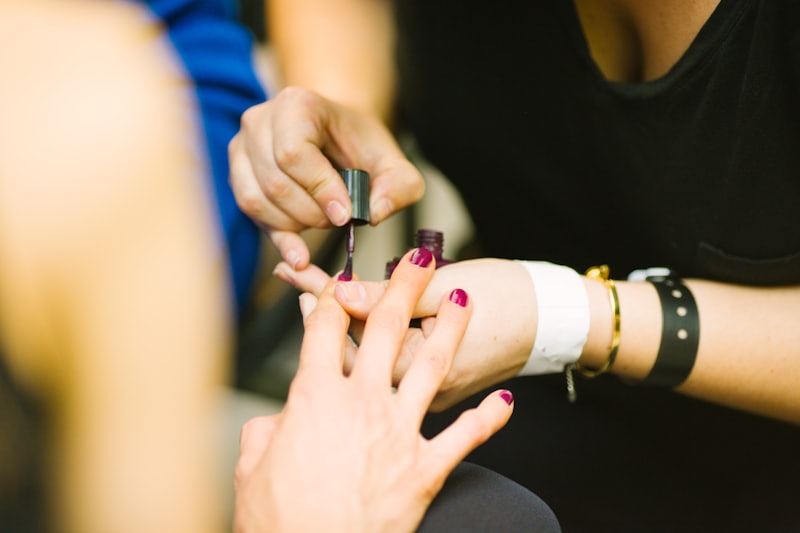
Hair and nail services can both appeal to creative people, but their day-to-day work feels different. Choosing between them is easier when you think about the tasks you enjoy, the skills you want to practise and the kind of appointment you would like to deliver. Neither path is automatically easier, more profitable or better for everyone.
What to look for in hair training
Hair courses can cover consultation, sectioning, cutting, finishing, styling or colour, depending on the programme. Check the actual modules rather than assuming that every hair course includes each of these areas. Chemical services may have additional prerequisites and safety requirements.
Think about whether you enjoy working with shape, movement and larger visual changes. Ask how the course develops tool control and how students practise on different hair characteristics. Good training should make the limits of a student's current skills clear.
What to look for in nail training
Nail programmes may introduce preparation, shaping, product systems, application, maintenance or design. A detailed curriculum should distinguish these skills and explain what is assessed. Fine-motor control and patience with small, repeated movements are useful qualities to explore.
Ask about product safety, appropriate ventilation, hygiene and recognising when a service should not proceed. Nail training is not a medical qualification. Concerns that suggest infection or another health condition should be referred to an appropriate healthcare professional.
Compare the working routine, not only the finished result
Both fields require consultation, preparation, cleanup and thoughtful communication, in addition to the visible creative work. Consider comfort with standing or seated precision work and ask about posture, workstation setup and breaks. A trial workshop or permitted observation session can help you assess your interest.
Compare kit requirements and the time available for practice. Do not assume one specialism needs little investment simply because its tools are smaller. Product systems, maintenance materials and replenishment should all be discussed before enrolment.
- Which tasks would you enjoy repeating and improving?
- What experience does the course expect you to have?
- How much practice can you commit to outside class?
- What tools and ongoing consumables will you need?
Choose a starting point, not a permanent limit
You can develop one specialism before adding another. Trying to learn every service at once may be less useful than building a strong foundation in an area you genuinely want to practise. Ask for a learning sequence that matches your experience.
Explore Ravoura's hair and nail course pages, compare their modules and discuss the current batch options with admissions. There is no guaranteed income attached to either choice; results depend on skill, service quality, experience, local demand and the way you work.
The takeaway
Choose the daily work you want to become good at, then compare the curriculum, safety training and practice support that will help you get there.